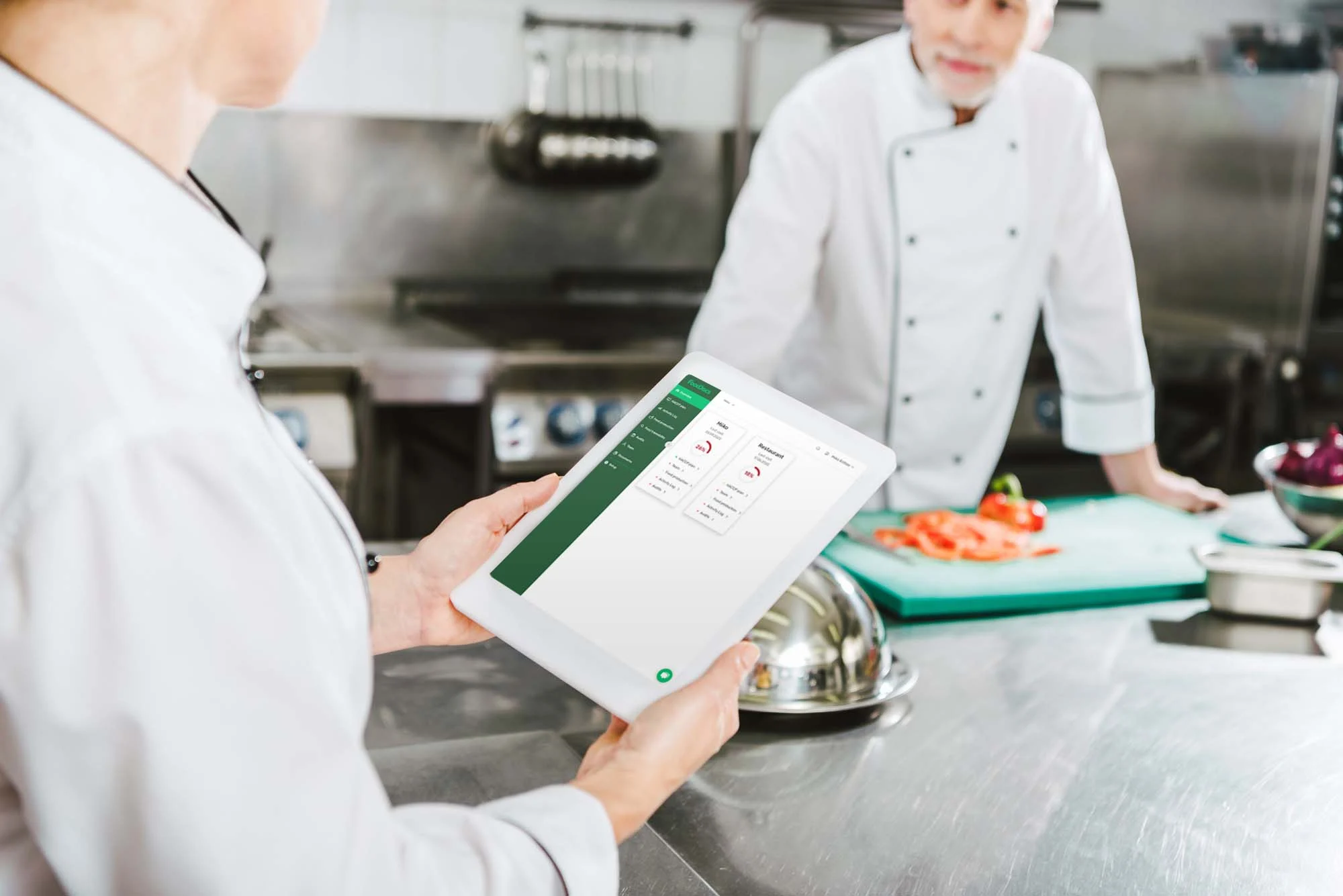
How Are Food Safety Software Solutions Revolutionizing Daily Operations in Modern Kitchens?
Food safety software represents a digital transformation in how modern kitchens manage compliance, monitoring, and documentation. These platforms replace paper-based systems with automated workflows that track everything from temperature logs to staff training records in real-time.
The culinary industry faces mounting pressure to maintain impeccable food safety standards. A single contamination incident can trigger recalls, legal penalties, and irreparable damage to brand reputation. Traditional manual methods struggle to keep pace with complex regulations like HACCP principles and Department of Agriculture requirements.
Digital solutions address these challenges head-on. They automate critical safety protocols, eliminate human error in record-keeping, and provide instant visibility into kitchen operations transformation. Staff can access checklists, receive alerts, and document corrective actions from mobile devices.
This article examines 5 ways how food safety software solutions are transforming daily operations for modern kitchens. You’ll discover how these technologies enable regulatory compliance, minimize contamination risks, boost operational efficiency, and strengthen consumer confidence in your food safety practices.
1. How Does Digital Workflow Management Improve Kitchen Efficiency?
Digital workflow management replaces paper-based systems with streamlined electronic processes that guide kitchen staff through daily tasks with precision and consistency. Modern food safety software transforms routine operations by converting traditional clipboards and spreadsheets into interactive digital checklists that capture everything from opening procedures to closing protocols.
Digital checklists serve multiple critical functions in contemporary kitchen environments:
- Safety benchmarks: Staff complete temperature logs, equipment sanitization verifications, and hazard assessments through guided prompts that ensure no step gets overlooked
- Shift notes: Team members document observations, maintenance issues, or supply concerns in real-time, creating an accessible record for incoming shifts
- Food waste tracking: Kitchens monitor disposal patterns, identify recurring waste sources, and implement targeted reduction strategies based on concrete data
The shift away from manual record-keeping delivers immediate operational benefits. Handwritten logs often suffer from illegible entries, missing timestamps, or incomplete information that compromises audit trails. Digital systems eliminate these vulnerabilities by requiring specific data inputs before tasks can be marked complete. Staff cannot skip temperature readings or backdate entries, creating authentic documentation that withstands regulatory scrutiny.
Human error diminishes significantly when workflows incorporate built-in validation checks. The software flags unusual values—like a refrigerator temperature of 50°F—prompting immediate verification rather than allowing the entry to go unnoticed until the next inspection cycle.
Centralization transforms how management accesses operational intelligence. Rather than searching through filing cabinets or multiple binders, supervisors retrieve comprehensive reports from any connected device. This consolidated data enables pattern recognition across locations, shifts, or specific equipment, revealing inefficiencies that would remain hidden in fragmented paper systems. Kitchen managers identify training gaps, equipment failures, or procedural bottlenecks through analytics dashboards that aggregate thousands of individual task completions into actionable insights.
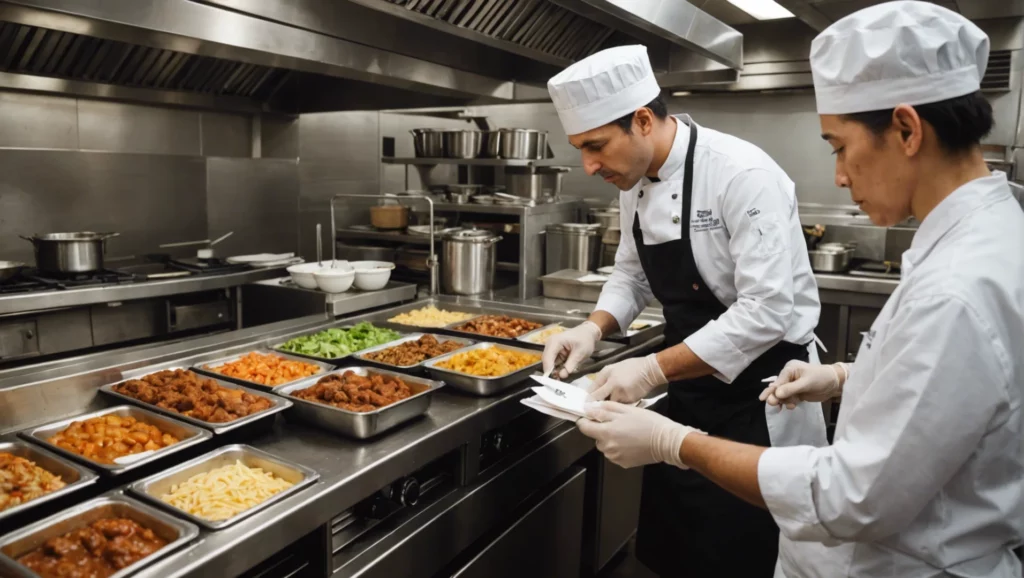
2. How Does Real-Time Monitoring Improve Food Safety?
Real-time monitoring significantly enhances food safety by utilizing IoT sensors to continuously track crucial environmental factors such as temperature and humidity. These advanced devices fill the gaps left by manual inspections, ensuring that refrigeration units, cooking areas, and storage spaces are under constant surveillance.
1. Constant Temperature Monitoring
IoT sensors serve as vigilant guardians in the kitchen, measuring conditions every few seconds instead of relying on sporadic manual readings. For instance, a walk-in cooler equipped with these sensors closely monitors the temperature, detecting even minor fluctuations that could impact food quality.
2. Humidity Control in Dry Storage
Similarly, this technology also keeps an eye on humidity levels in dry storage areas where excess moisture can result in mold growth or pest infestations.
3. Instant Alerts for Quick Action
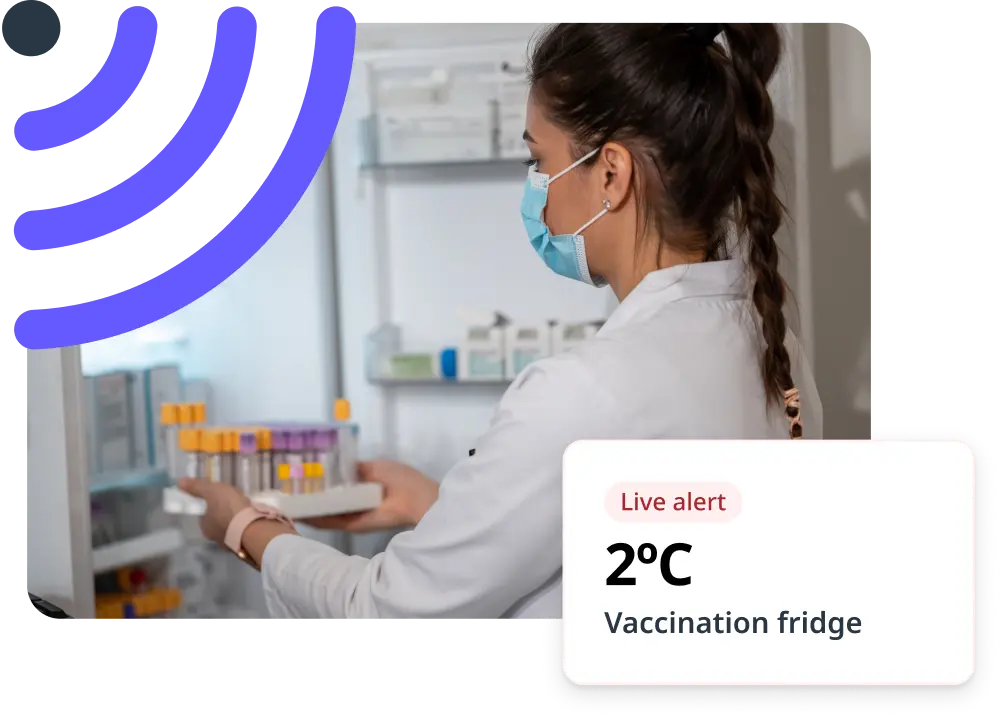
The true power of real-time monitoring lies in its capacity to send immediate alerts. When temperature control settings exceed safe limits—such as a freezer rising above 0°F or a hot holding unit falling below 135°F—the system promptly notifies kitchen staff through mobile alerts, email notifications, or dashboard warnings.
This rapid response capability enables teams to rectify issues within minutes rather than discovering them hours later during routine checks.
4. Preventing Contamination Before It Happens
With this technology, the approach to preventing contamination shifts from reactive to proactive. If a refrigeration unit malfunctions, it will send alerts before food spoils, allowing staff to transfer products to backup storage and arrange for repairs.
In cases of power outages or equipment failures, the system meticulously tracks temperature changes, providing vital information for determining whether food items remain safe for consumption or need disposal.
5. Keeping Records for Inspections
The continuous data generated from IoT sensors forms a comprehensive record of environmental conditions that can serve as evidence during health inspections. This documentation is particularly beneficial when investigating potential food safety incidents because managers can backtrack and review past data to pinpoint exactly when and where conditions may have influenced product quality.
Moreover, these records can be instrumental in adhering to established guidelines such as those outlined in the WHO’s distribution guidelines, ensuring compliance and enhancing overall food safety standards.
3. How Can Data Analytics & Reporting Support Better Decision-Making in Kitchen Operations?
Data analytics turns raw operational information into actionable insights that drive smarter kitchen management decisions. Food safety software solutions automatically collect data from every digital checklist, temperature log, and workflow completion, creating a comprehensive database of operational patterns. Kitchen managers can analyze this information to identify recurring issues, peak risk periods, and areas where staff may need additional training or resources.
Understanding Operational Data Analysis
The power of operational data analysis lies in its ability to reveal trends invisible to manual observation. A kitchen might discover that temperature violations occur more frequently during specific shifts or that certain storage areas consistently show humidity fluctuations. These insights enable targeted interventions rather than blanket policy changes, making improvement efforts more effective and resource-efficient.
The Role of Automated Reporting
Automated reporting eliminates the time-consuming task of manually compiling documentation for health inspections and internal reviews. Instead of spending hours gathering paper records and transcribing handwritten logs, staff can generate comprehensive compliance reports with a few clicks. These reports include:
- Complete temperature monitoring records with timestamps
- Digital signatures confirming task completion
- Photographic evidence of corrective actions
- Trend analyses highlighting potential problem areas
Streamlining Compliance Audits
With the advent of automated compliance monitoring, compliance audits become significantly less stressful when all required documentation exists in organized, searchable digital formats. Inspectors can quickly verify that proper procedures were followed, while management can proactively identify gaps before official audits occur. The software maintains historical records that demonstrate consistent adherence to food safety protocols over extended periods.
Leveraging AI in Compliance Audits
Moreover, the integration of AI technology is revolutionizing the way we approach these audits. The role of AI in automating compliance audits cannot be understated. AI systems can analyze vast amounts of data quickly and accurately, identifying discrepancies or violations in real-time and providing actionable insights for immediate rectification.
Shifting Towards Proactive Risk Management
This data-driven approach shifts kitchen operations from reactive problem-solving to proactive risk management. Teams can allocate resources more strategically, schedule preventive maintenance based on equipment performance data, and continuously refine processes based on measurable outcomes rather than assumptions.
4. How Do Collaboration & Communication Tools Foster a Safer Kitchen Environment?
Food safety software creates a unified digital workspace where kitchen staff, managers, and supervisors can instantly access and share critical safety information. These communication platforms eliminate the fragmented approach of relying on physical logbooks, sticky notes, or verbal handoffs that often lead to missed details during busy service periods.
Centralized information sharing ensures everyone operates from the same playbook when it comes to food safety protocols. When a temperature deviation occurs in cold storage or a supplier delivery arrives with quality concerns, team members can document the incident immediately within the system. Management receives instant notifications, allowing them to review the situation, provide guidance, and track resolution steps without delays caused by shift changes or physical distance between locations.
The collaboration tools embedded in these platforms enable real-time dialogue around food safety issues. Kitchen teams can:
- Tag specific staff members who need to take corrective action
- Attach photos documenting food quality concerns or equipment malfunctions
- Create task assignments with clear accountability and deadlines
- Access historical incident reports to identify recurring problems
Multi-location restaurant groups particularly benefit from this centralized approach. Regional managers can monitor food safety practices across all sites simultaneously, identifying which locations excel and which need additional support. Best practices discovered at one kitchen can be documented and shared instantly with the entire organization through the platform.
The audit trail created by these communication systems provides valuable documentation during health inspections. Inspectors can see not just that issues were identified, but how quickly teams responded, what corrective measures were implemented, and how management verified resolution. This transparency demonstrates a proactive food safety culture rather than reactive compliance.
5. How Do Training & Compliance Oversight Features Maintain High Food Safety Standards?
Food safety software solutions embed training programs directly into daily operations, ensuring every team member understands and follows proper protocols. The software integrates best practices into routine tasks, prompting staff with step-by-step guidance during critical procedures like temperature checks, sanitization protocols, and allergen handling.
Automated Training Tracking
Digital platforms monitor which employees have completed required certifications and when refresher courses are due. Managers receive notifications about expiring credentials, preventing gaps in qualified personnel. This systematic approach eliminates the manual tracking of paper certificates and training logs that often become outdated or misplaced.
The software creates individual learning profiles for each staff member, documenting their progress through mandatory modules. Kitchen supervisors can quickly identify who needs additional instruction on specific topics, from HACCP principles to proper handwashing techniques.
Building a Food Safety Culture
Compliance oversight features transform food safety from a checklist item into an organizational priority. The software reinforces correct behaviors by requiring digital sign-offs on completed tasks, creating accountability at every level. When staff members consistently interact with safety protocols through their daily digital workflows, these practices become second nature.
Real-time dashboards display compliance metrics across shifts and departments, highlighting areas where additional training may be needed. This visibility helps management address knowledge gaps before they result in violations or contamination incidents.
The platform stores all training records centrally, making audit preparation straightforward. Inspectors can access complete documentation of staff qualifications, training completion dates, and competency assessments within minutes. This organized approach to compliance oversight protects the establishment from regulatory penalties while demonstrating a genuine commitment to food safety standards.
Kitchen teams develop stronger safety habits when training programs are accessible, relevant, and integrated into their existing workflows rather than treated as separate, infrequent events.
The Transformative Power of Food Safety Software Solutions in Modern Kitchens
Food safety software solutions are changing the way culinary businesses protect their operations and customers. These platforms offer significant benefits in every area of kitchen management, including meeting regulations, reducing risks, and improving transparency.
How Food Safety Software Solutions Are Transforming Daily Operations for Modern Kitchens
The article titled 5 Ways How Food Safety Software Solutions Are Transforming Daily Operations for Modern Kitchens explains how technology empowers teams to work more efficiently. With these tools, kitchens consistently achieve higher safety standards while reducing the administrative workload on staff.
The Advantages of Food Safety Software Solutions for Modern Kitchens
Here are some advantages that modern kitchens can gain by using food safety software solutions:
- Meeting regulations: These solutions help kitchens stay compliant with food safety regulations, avoiding penalties and legal issues.
- Reducing risks: By identifying potential hazards and implementing preventive measures, kitchens can minimize the risk of foodborne illnesses and other safety incidents.
- Improving transparency: Digital systems provide clear visibility into kitchen operations, making it easier to track processes, identify areas for improvement, and demonstrate accountability to customers and authorities.
The Benefits of Embracing Food Safety Software Solutions
Culinary businesses that embrace these innovations position themselves as industry leaders, building lasting consumer trust through verifiable safety practices and delivering meals with unwavering confidence in their quality and safety protocols.
Learn more Food Safety Compliance Audits: What Inspectors Look for and How to Prepare