Below are six features hospitality groups should look for when comparing options.
What should food safety software do first: standardise checks across every site?
It should make daily safety routines consistent, even when sites have different layouts, menus, or skill levels. The simplest way is with digital checklists that are role-based and site-specific, so teams only see what they must complete.
They should also be able to version-control checklists, push updates centrally, and prove that every site is using the latest standard. This matters when a group changes a process and needs it live everywhere the same day.
How does the software make HACCP plans actually usable in busy kitchens?
From a strategic alignment standpoint, food safety software should operationalise HACCP rather than merely digitise documentation. The objective is to transform compliance frameworks into live, execution-driven systems. Hazards, critical control points, thresholds, monitoring protocols, and corrective actions must be seamlessly embedded into day-to-day operational workflows—rather than confined to static PDFs that remain dormant during active service periods.
The best tools link each check to a required action when a limit is breached. For example, if a cooling step fails, the software should prompt the correct corrective action, require notes, and capture who approved it. That creates a complete, audit-ready story without extra paperwork.
Can it capture critical temperatures fast and reduce human error?
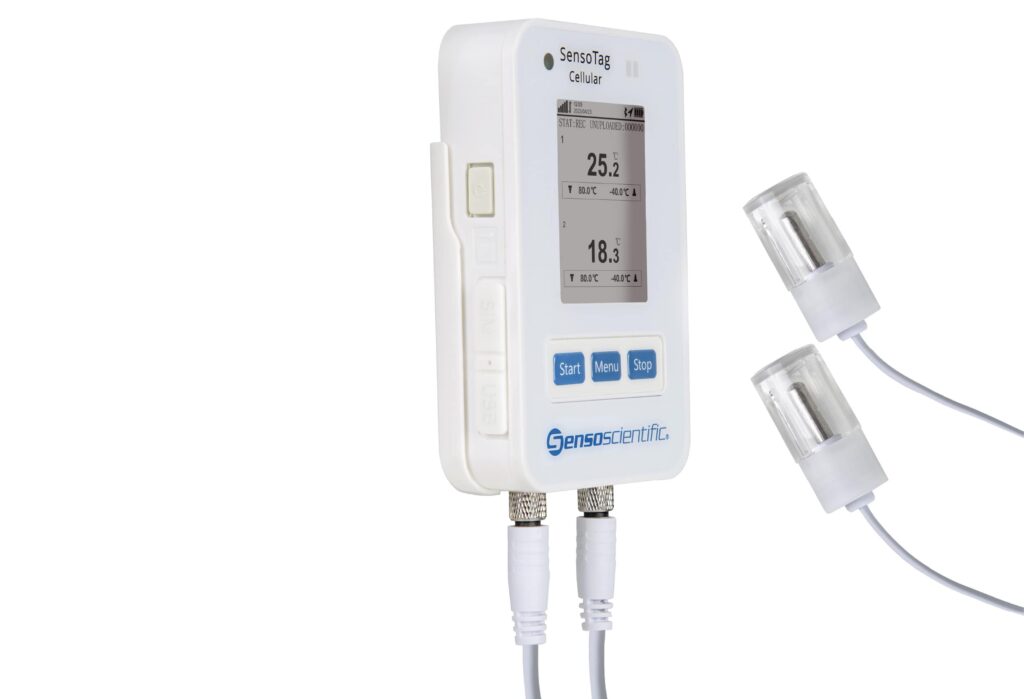
It should make temperature logging quick enough that teams will actually do it properly. Look for rapid entry flows, support for probe integrations where possible, and clear rules for pass or fail thresholds.
More importantly, it should prevent common mistakes. That includes flagging out-of-range readings instantly, requiring corrective actions before closing a task, and blocking incomplete logs from being marked as done. If the system accepts bad data too easily, it becomes a digital version of the same old paper problem.
How does it handle real-time alerts and escalation when something goes wrong?
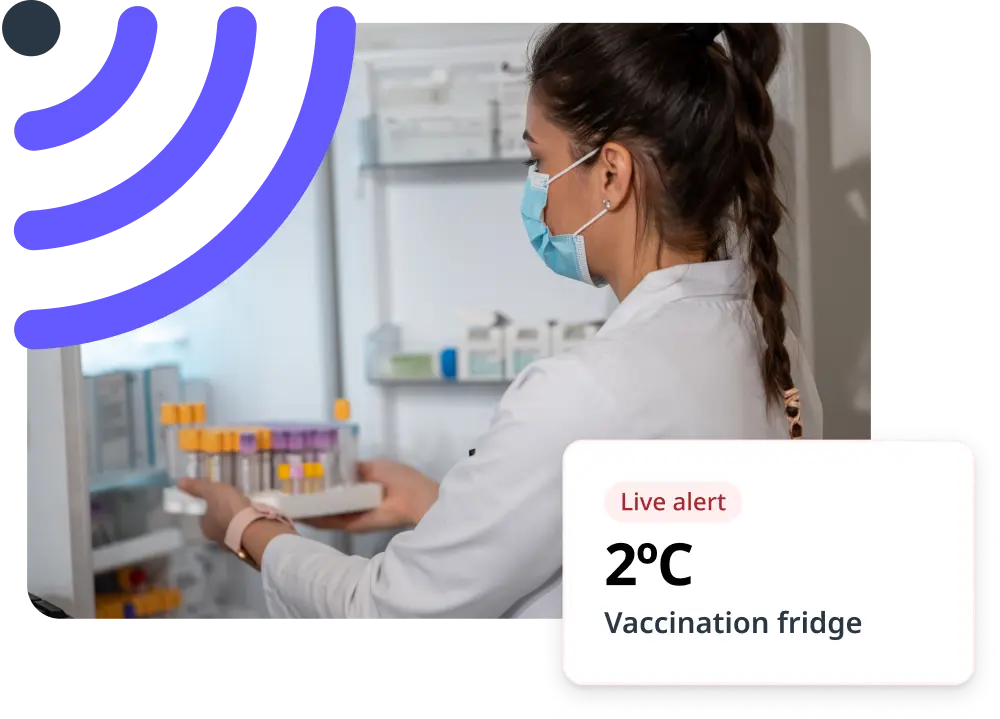
It should notify the right people before a small issue becomes a major incident. Real-time alerts are most useful when they are targeted, escalating, and tied to clear accountability.
A strong setup might alert the shift lead for a first failure, escalate to the site manager after repeated issues, and then notify the group’s food safety lead if the risk continues. Alerts should include context: which check failed, the reading, location, photos if available, and the required next step. That reduces back-and-forth and speeds up resolution.
What reporting and audit trails should hospitality groups expect?
They should be able to produce evidence quickly, without scrambling across emails, binders, and spreadsheets. The software should keep a tamper-evident audit trail showing what was checked, when it was checked, who did it, and what happened when something failed.
Reporting should work at two levels. Site teams need simple operational dashboards to spot gaps today. Head office needs multi-site reporting to compare compliance rates, recurring failures, and training needs across the estate. If it cannot filter by site, date range, check type, or failure reason, it will not support group-level decision-making.
Does it support training, permissions, and accountability across roles?
It should control who can do what, and it should make responsibility visible. Role-based permissions ensure that only authorised staff can sign off high-risk steps, edit critical limits, or override failures.
Training support matters too. At minimum, the platform should link procedures to checks so staff can see the “how” in the moment. Better systems also track who has completed required training and where performance issues suggest retraining. This is especially valuable in high-turnover environments, where groups need a reliable way to onboard staff without diluting standards.
How should a hospitality group choose between platforms?
They should shortlist tools that fit real service conditions, not just audit conditions. A good test is to run a pilot in one busy site and one quieter site, then compare completion rates, failure handling, and how quickly managers can pull evidence.
The right platform is the one teams will actually use every day, while giving leaders confidence that standards are consistent across the group.
FAQs (Frequently Asked Questions)
What is the primary function of food safety software in hospitality groups?
Food safety software helps hospitality teams run safer kitchens with less administrative burden by standardising processes across sites, surfacing problems early, and making compliance evidence easy to produce on demand.
How does food safety software standardise checks across different sites?
It uses digital checklists that are role-based and site-specific, ensuring daily safety routines are consistent regardless of site layout or menu. The software supports version control, allowing central updates to be pushed instantly so every site operates with the latest standards.
In what ways does food safety software make HACCP plans practical for busy kitchens?
The software transforms HACCP plans from static documents into active systems by embedding hazards, critical control points, limits, monitoring steps, and corrective actions into everyday workflows. It links each check to required actions when limits are breached, prompting corrective measures and capturing audit-ready records without extra paperwork.
How does the software ensure accurate temperature logging and reduce human error?
It facilitates rapid temperature entry through streamlined flows and probe integrations, enforces clear pass/fail thresholds, flags out-of-range readings instantly, requires corrective actions before task completion, and blocks incomplete logs from being marked done—preventing common data errors typical of paper systems.
What features support real-time alerts and escalation in food safety software?
The software sends targeted real-time notifications escalating from shift leads to site managers and then to group food safety leads if issues persist. Alerts include context such as failed checks, readings, location, photos, and next steps to reduce back-and-forth communication and accelerate problem resolution.
How do reporting capabilities in food safety software benefit hospitality groups?
The software provides tamper-evident audit trails documenting what was checked, when, by whom, and outcomes of failures. It offers operational dashboards for site teams to spot gaps immediately and multi-site reporting for head office to compare compliance rates, recurring failures, and training needs filtered by site, date range, check type, or failure reason—supporting informed group-level decision-making.
Learn more Temperature Monitoring and Its Role in Modern Food Safety Programs