

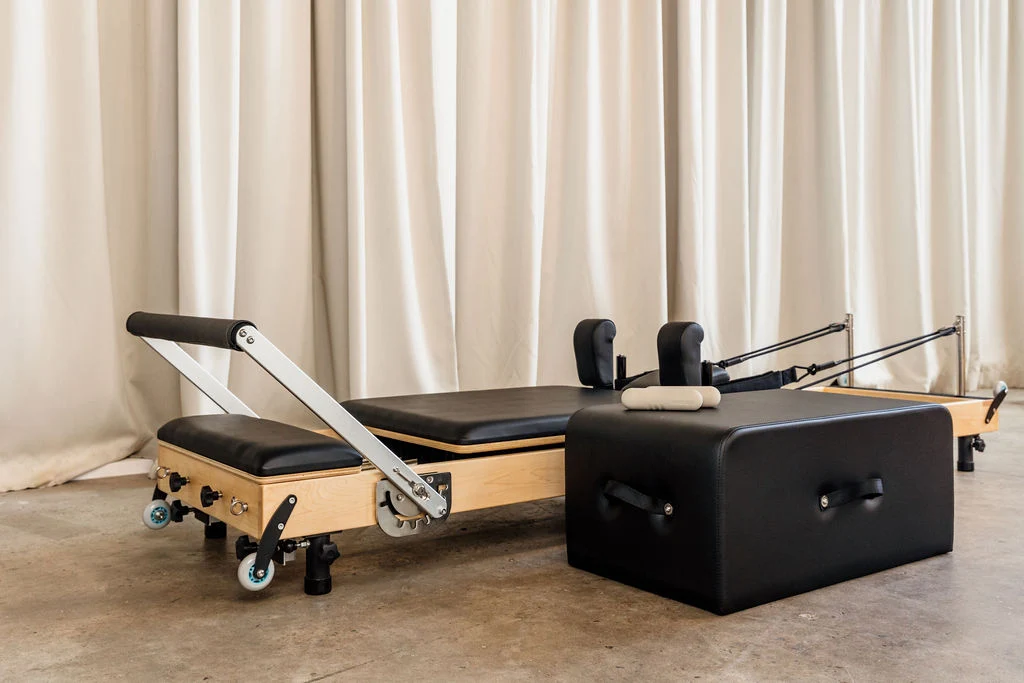
This guide walks through what they should check in Australia before committing, so they can choose Pilates sitting box equipment that lasts and suits how they actually train.
What is Pilates sitting box equipment and what is it used for?
A Pilates sitting box is a padded, structured piece of equipment used to support sitting, kneeling, side-lying, and prone positions across many Pilates exercises. If you plan to buy Pilates sitting box equipment, look for a sturdy design that helps adjust height, reduce wrist load, and expand exercise options on Reformers and Cadillac-style setups.
In studios, it is often used for short box series, seated arm work, side overs, and mobility progressions. At home, it can add variety without buying a larger machine.
Which box size should they choose for their Reformer or studio space?
They should choose a size that matches their Reformer brand and carriage width, then confirm it fits their available floor space. Many buyers in Australia start with a “short box” style because it suits common Reformer programming and stores easily.
Before ordering, they should measure the carriage width and the clearance they have beside the machine. For Pilates sitting box equipment, small differences in width can affect stability and how securely it sits on the frame.
How do they confirm compatibility with Australian Reformer brands?
They should check the seller’s compatibility notes and confirm the box dimensions against their exact model. In Australia, common Reformers vary, and even within a brand there may be different generations.
If the brand is not listed, they should ask the supplier for the underside footprint and whether it is designed to sit on a carriage, platform, or frame. Good Pilates sitting box equipment suppliers will answer quickly with measured specs, not guesses.
What materials matter most for durability in Australian conditions?
They should prioritise a solid internal structure, quality upholstery, and dense foam that holds shape. Australian heat, coastal air, and high-use studio schedules can expose weak joins and cheap vinyl quickly.
For Pilates sitting box equipment, timber or high-grade ply structures are common, but the build quality matters more than the label. They should look for reinforced corners, tidy stitching, and upholstery that resists cracking and sweat absorption.
How important is foam density and padding feel?
Foam density matters because it controls both comfort and stability. If the padding is too soft, it can feel wobbly during seated work and can compress unevenly over time.
They should look for firm, supportive foam with clean edges that do not collapse under load. With Pilates sitting box equipment, a stable top surface helps clients maintain alignment, especially in side-lying and short box series work.
What weight rating and stability checks should they look for?
They should confirm the box has a published maximum user weight and that the structure does not flex under pressure. If a supplier will not provide a rating, that is a risk for studios and for home users sharing equipment.
Stability is also about the base design. Pilates sitting box equipment should sit flat, not rock, and it should remain steady when weight shifts from centre to edge during side overs or step-on transitions.
Do non-slip feet and base grip really make a difference?
Yes, base grip can be the difference between controlled movement and a sliding hazard. They should check whether the underside has rubber feet, a grippy full base layer, or a textured surface designed for timber, rubber gym flooring, or carpet.
In Australian studios, flooring varies widely, so they should match the base to their space. With Pilates sitting box equipment, better grip also reduces scuffing and keeps the box quieter during fast transitions.
Should they choose a standard box, a jump board style box, or a split box?
They should choose based on the exercises they run most and who will use it. A standard sitting box suits general programming, while split options can add flexibility for different heights, rehab needs, and exercise variations.
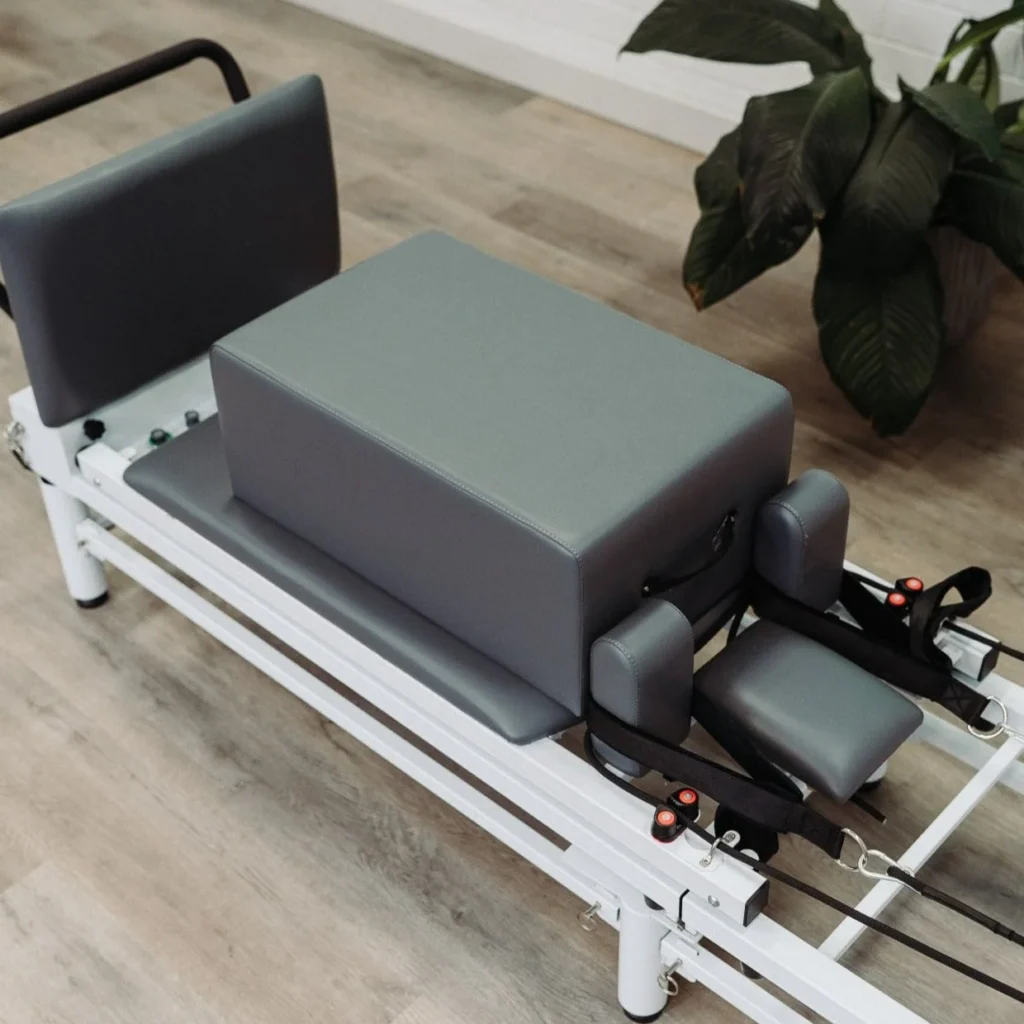
If they teach groups, simplicity often wins because clients recognise the setup quickly. When selecting equipment for spinal mobility Pilates exercises, the best choice is usually the one that gets used weekly, not the one with the most features.
What should they check about handles, corners, and carrying comfort?
They should check whether it has cut-out handles or strap handles, and whether those handles feel comfortable for their grip. Sharp handle edges can dig into hands when moving the box between rooms.
Corners matter too. Pilates sitting box equipment with reinforced, rounded corners tends to wear better in busy Australian studios where boxes get bumped, stacked, and carried often.
How do they assess build quality from photos and product descriptions?
They should look for close-up photos of seams, underside construction, and corners, not only styled studio shots. Product descriptions should list dimensions, materials, and a weight rating, plus warranty terms.
If the listing is vague, they should ask for extra photos and confirm whether the upholstery is commercial-grade. For Pilates sitting box equipment, clarity is often a sign the supplier is used to professional buyers.
What warranties, returns, and Australian consumer protections should they expect?
They should expect a clear warranty period and a straightforward process for faults or shipping damage. Under Australian Consumer Law, goods must be of acceptable quality and match their description, even if the warranty is short.
They should read return conditions carefully, especially for bulky items where freight can cost a lot. When buying Pilates sitting box equipment, a local Australian supplier can make returns and support far easier than offshore-only sellers.
How much should they budget in Australia, and what affects the price?
They should budget based on intended use and frequency. A home user might accept a simpler build, while a studio needs commercial durability that holds up to daily classes.
Price is often driven by structure materials, upholstery quality, foam density, and whether it is made locally or imported. With Pilates sitting box equipment, paying more can be worthwhile if it reduces replacements and downtime.
Should they buy new or consider used equipment locally?
They can save money buying used, but they should inspect it carefully and confirm it is structurally sound. Upholstery tears, soft foam, and wobble are red flags, especially for studios.
They should ask how it was used, how old it is, and whether it was stored in a garage or damp area. For Pilates sitting box equipment, cosmetic wear is fine, but any movement in the frame is not.
What delivery, assembly, and storage issues should they plan for?
They should confirm delivery timeframes within Australia and whether the item ships fully assembled. Most sitting boxes arrive ready to use, but they should still check packaging quality because corners can be damaged in transit.
Storage matters in smaller homes and boutique studios. Pilates sitting box equipment should be easy to stack or stand upright safely, and it should fit through doorways if they plan to move it between rooms.
What quick checklist should they use before purchasing?
They should confirm the fundamentals before they pay, then keep a record of specs and receipts. A short checklist reduces mistakes, especially when ordering online.
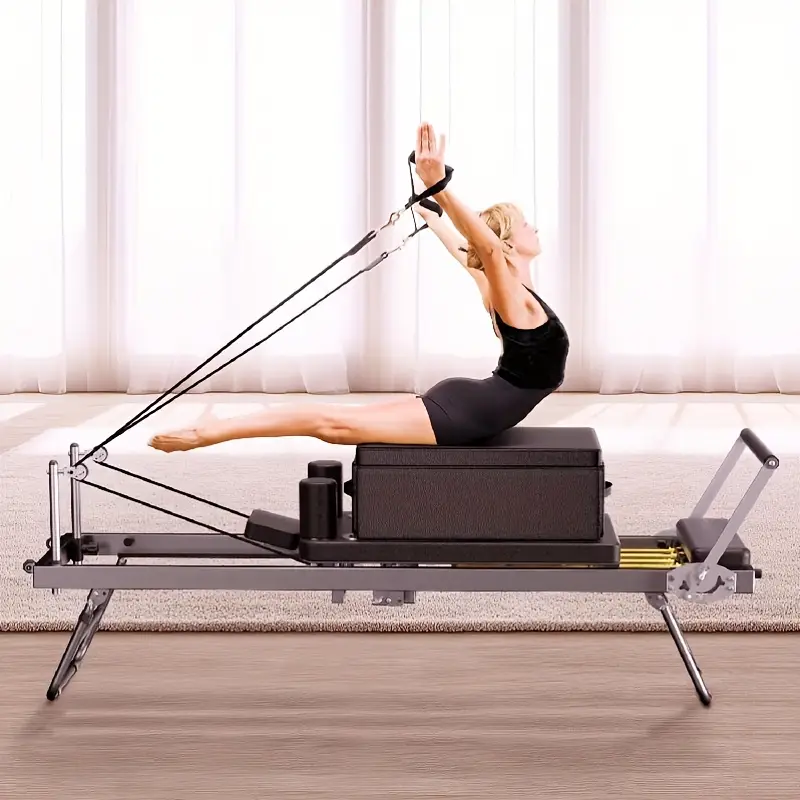
Here is a practical pre-purchase checklist for Pilates sitting box equipment:
- Exact dimensions and compatibility with their Reformer model
- Published weight rating and stable, non-rocking base
- High-density foam and durable upholstery
- Non-slip feet suitable for their flooring
- Handle comfort and reinforced corners
- Warranty, returns, and Australian Consumer Law support
- Delivery costs, lead times, and storage plan
FAQs (Frequently Asked Questions)
What is Pilates sitting box equipment and how is it used in Pilates practice?
Pilates sitting box equipment is a padded, structured box designed to support various positions such as sitting, kneeling, side-lying, and prone during Pilates exercises. It helps adjust height, reduce wrist load, and expand exercise options on Reformers and Cadillac-style setups, making it essential for short box series, seated arm work, side overs, and mobility progressions both in studios and at home.
How do I choose the right size Pilates sitting box for my Reformer or studio space in Australia?
Choose a Pilates sitting box size that matches your Reformer brand and carriage width, then confirm it fits your available floor space. Many Australian buyers start with a ‘short box’ style as it suits common Reformer programming and stores easily. Measure the carriage width and clearance beside your machine carefully since small size differences can affect stability and secure placement on the frame.
What materials should I look for to ensure durability of Pilates sitting boxes in Australian conditions?
Prioritize boxes with a solid internal structure made from timber or high-grade plywood, quality upholstery resistant to cracking and sweat absorption, and dense foam that maintains shape. Look for reinforced corners and tidy stitching since Australian heat, coastal air, and frequent use can expose weak joins or cheap vinyl quickly. Build quality matters more than just the material label.
How important are foam density and padding firmness in Pilates sitting boxes?
Foam density is crucial for both comfort and stability. Too soft padding can feel wobbly during seated exercises and compress unevenly over time. Opt for firm, supportive foam with clean edges that do not collapse under load to help maintain proper alignment during side-lying positions and short box series work.
What weight rating and stability features should I check before buying Pilates sitting box equipment?
Ensure the box has a published maximum user weight rating and that its structure does not flex under pressure. Confirm the base design allows the box to sit flat without rocking or sliding when weight shifts during exercises like side overs or step-on transitions. Avoid suppliers who cannot provide clear weight ratings as this poses risks for both studios and home users.
Do non-slip feet or base grip really improve safety with Pilates sitting boxes?
Yes, non-slip feet or grippy base surfaces significantly enhance safety by preventing sliding hazards during controlled movements. Check if the underside has rubber feet, full grippy base layers, or textured surfaces suited to your flooring type—be it timber, rubber gym flooring, or carpet—to reduce scuffing noise and keep the box stable during fast transitions in Australian studios.
<script type="application/ld+json">
{
  "@context": "https://schema.org",
  "@type": "BlogPosting",
  "mainEntityOfPage": {
    "@type": "WebPage",
    "@id": "https://noni4all.com/what-to-check-before-you-buy-pilates-sitting-box-equipment/"
  },
  "headline": "What to Check Before You Buy Pilates Sitting Box Equipment",
  "image": [
    "https://noni4all.com/wp-content/uploads/2026/09/MAN03446.webp",
    "https://noni4all.com/wp-content/uploads/2026/09/PilatesWorld-146.webp",
    "https://noni4all.com/wp-content/uploads/2026/09/5b11a6fb-7ec0-4767-bf0a-8bc8baa901cc-1.webp"
  ],
  "author": {
    "@type": "",
    "name": "Katie Mackinlay",
    "url": "https://noni4all.com/author/admin/"
  },
  "publisher": {
    "@type": "Organization",
    "name": "Noni For All",
    "logo": {
      "@type": "ImageObject",
      "url": "https://noni4all.com/wp-content/uploads/2025/06/logo.png"
    }
  },
  "datePublished": ""
}
</script>